What Is Subsea Inspection?
Subsea inspection is the systematic assessment of underwater infrastructure — the submerged foundations, supports, and conduits that Singapore's coastal and marine installations depend on. As a small island nation with 203 kilometres of coastline, Singapore has extensive underwater infrastructure: thousands of jetty piles supporting port terminals and wharves, kilometres of seawalls protecting reclaimed land, submarine pipelines carrying water and waste, and subsea cables linking offshore islands.
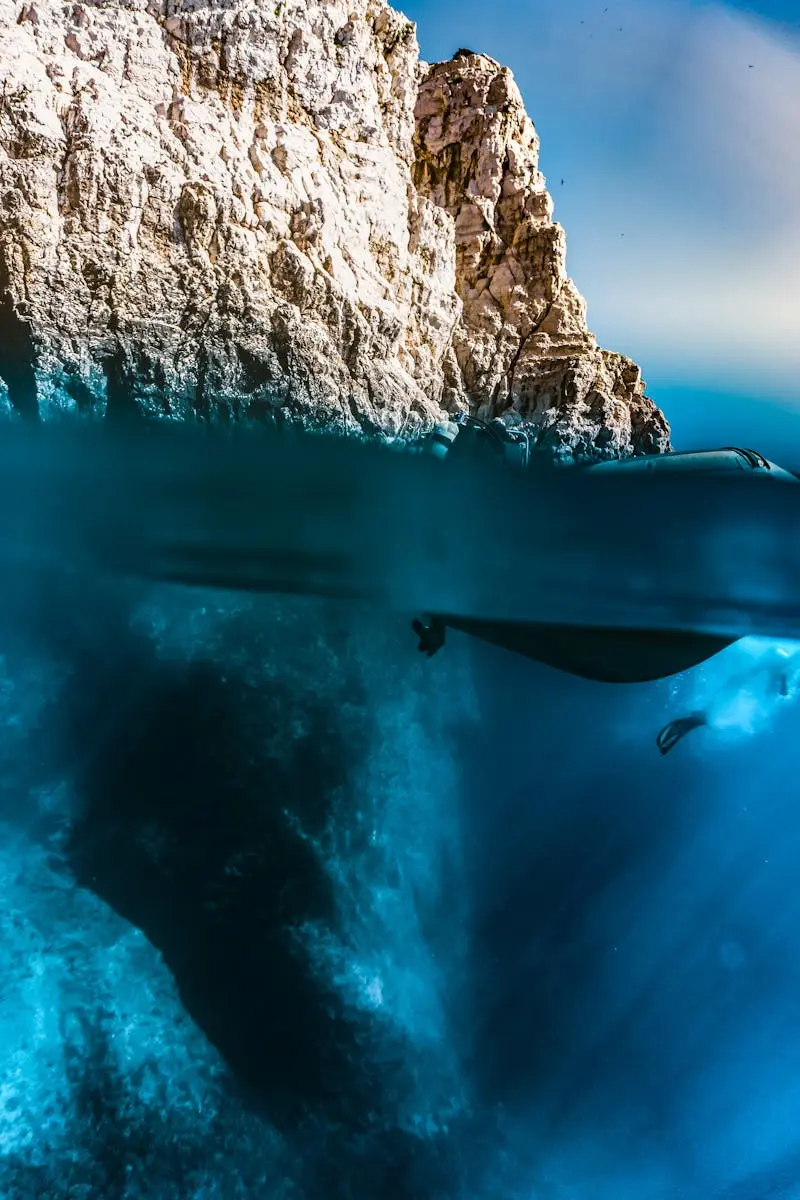
All of this infrastructure is subject to relentless degradation from Singapore's tropical marine environment. Warm seawater accelerates steel corrosion. Marine organisms colonise and erode concrete piles. Tidal currents scour foundations. Chemical discharge attacks pipe coatings. Without regular subsea inspection, structural failures can occur without warning — with serious safety and environmental consequences.
Our subsea inspection service uses ROV technology to assess these structures without deploying commercial divers. The ROV captures HD video, sonar imagery, and measurement data that engineers use to evaluate structural condition, plan maintenance, and satisfy regulatory requirements from MPA, PUB, NEA, and other Singapore authorities.
Underwater Structures We Inspect
Our subsea inspection capabilities cover the full range of underwater infrastructure found across Singapore's coastline, ports, and offshore installations.
Jetty Piles and Wharves
Steel and concrete piles supporting jetties, wharves, and loading platforms. We inspect pile surfaces for corrosion, cracking, spalling, marine growth, scour, and structural deformation from the mudline to the splash zone.
Seawalls and Revetments
Concrete, sheet pile, and rock armour seawalls protecting Singapore's reclaimed coastline. We document joint condition, toe erosion, armour displacement, sheet pile corrosion, and seabed scour that compromise wall stability.
Outfall Pipes and Intakes
Submarine pipelines for treated effluent discharge (NEA), stormwater outfalls (PUB), and seawater cooling intakes for power stations and industrial facilities. We assess pipe condition, joint integrity, burial depth, and marine growth blockage.
Submarine Cables
Power cables and telecommunications cables connecting Singapore's offshore islands (Sentosa, Pulau Ubin, Jurong Island). We survey cable routes for burial depth, exposure, damage, and seabed conditions that may affect cable integrity.
Subsea Inspection Process
Asset Review and Planning
We review as-built drawings, previous inspection records, and the client's inspection objectives. The survey plan defines the ROV route, inspection coverage, measurement requirements, and deliverables. MPA permits and marine safety assessments are completed before mobilisation.
Tidal and Weather Planning
Singapore's tidal currents significantly affect ROV operations. We schedule surveys during slack water windows for optimal visibility and ROV stability. Work is planned around monsoon seasons and weather forecasts to minimise weather standby.
ROV Deployment and Survey
The ROV systematically inspects each structural element following the survey plan. Video, sonar, and sensor data are recorded continuously. Defects are marked and investigated with close-up examination. For combined above-below water assessments, an aerial drone surveys the above-water structure simultaneously.
Data Analysis and Condition Rating
All survey data is processed and defects are catalogued by type, severity, and location. Structural condition ratings are assigned using industry-standard grading scales. Sonar data is processed into 3D models of seabed profiles and structure geometry.
Engineering Report
A detailed subsea inspection report is delivered within 10-14 working days. Reports include annotated imagery, defect inventories, condition ratings, measurement data, engineering drawings, and prioritised maintenance recommendations.
Subsea Inspection Pricing in Singapore
Pricing depends on structure type, size, depth, and water conditions. All quotes are fixed-price with no weather standby charges.
| Structure Type | Typical Scope | Price Range (SGD) |
|---|---|---|
| Jetty Piles (small jetty) | 10-20 piles | $5,000 — $10,000 |
| Jetty Piles (large wharf) | 50-200 piles | $10,000 — $25,000 |
| Seawall / Revetment | 100-500m linear | $8,000 — $20,000 |
| Outfall Pipe | 100m-2km | $8,000 — $20,000 |
| Submarine Cable Survey | 500m-5km | $10,000 — $30,000 |
| Combined Above + Below Water | Full structure | $12,000 — $30,000 |
Prices include: MPA permit application, ROV and workboat mobilisation, survey execution, data processing, and detailed engineering inspection report.
Common Subsea Defects in Singapore Waters
Singapore's tropical marine environment creates specific deterioration patterns that our inspections are designed to detect and document.
- Steel Pile Corrosion — accelerated in Singapore's warm, saline waters. Most severe in the splash zone and at the mudline. We measure remaining wall thickness using ultrasonic gauges mounted on the ROV.
- Concrete Pile Deterioration — chloride-induced reinforcement corrosion causing concrete spalling and delamination. Particularly common in older structures built before modern durability standards.
- Seabed Scour — tidal currents and vessel propeller wash erode seabed material around pile foundations, reducing support capacity. We measure scour depth using sonar profiling.
- Marine Growth Accumulation — barnacles, mussels, and algae add weight, increase drag, and obscure structural surfaces. Heavy growth can mask underlying corrosion or cracking.
- Pipeline Exposure — submarine pipelines designed to be buried can become exposed through seabed erosion, creating free spans vulnerable to hydrodynamic loading and damage from anchors or fishing gear.
- Joint and Connection Failures — bolted connections, welds, and pipe joints deteriorate from fatigue loading, corrosion, and impact damage. Early detection prevents cascading structural failures.
Singapore Locations We Serve
Our subsea inspection operations cover the entire Singapore coastline and port waters, including controlled areas requiring MPA coordination.
Key locations include PSA terminals at Pasir Panjang, Tanjong Pagar, Keppel, and Brani, Jurong Port and Jurong Island industrial wharves, Sembawang and Tuas shipyard and port facilities, Changi Naval Base support structures, Sentosa and Marina South waterfront infrastructure, and reclaimed land seawalls along the East Coast, Tuas South, and Punggol coastal areas.
Frequently Asked Questions
Get a Free Subsea Inspection Quote
Tell us what structure needs inspecting and its location — we reply with a fixed-price quote within 24 hours.