How PV Panel Thermal Scanning Works
Every photovoltaic cell converts sunlight into electricity. When a cell is defective — cracked, shaded, or disconnected — it converts that energy into heat instead. This temperature difference between healthy and defective cells is clearly visible on infrared cameras, making thermal scanning the most effective method for identifying underperforming panels in large solar arrays.
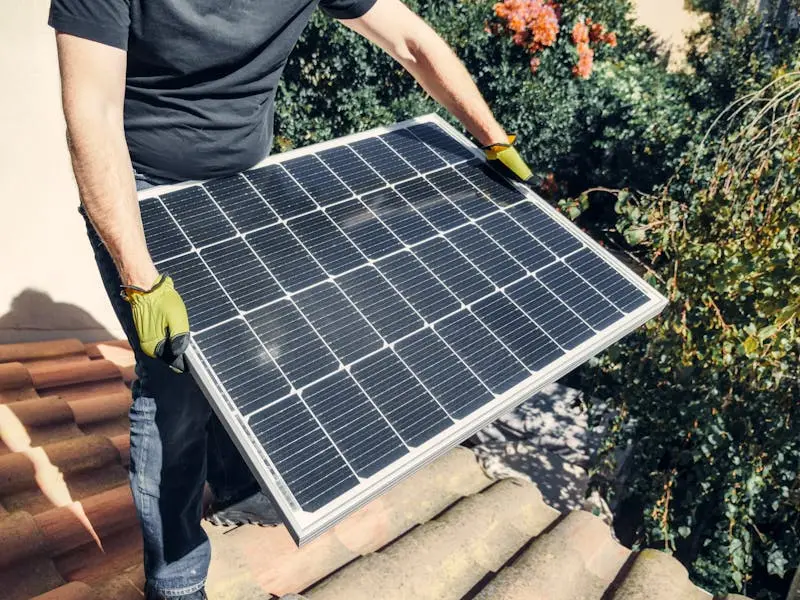
Our drone-mounted radiometric thermal cameras capture calibrated temperature data for every panel in your array. The drone flies systematic grid patterns at optimal altitude, ensuring complete coverage with sufficient resolution to identify individual cell defects. Simultaneous visual photography documents physical damage and soiling conditions.
For Singapore's growing fleet of rooftop and ground-mounted PV installations — from HDB town solar deployments to industrial roof arrays in Tuas and Jurong, to the floating solar systems on Tengeh and Bedok reservoirs — thermal scanning provides the data needed to maximise energy yield and protect warranty claims.
Thermal Anomaly Classification
| Anomaly Type | Thermal Pattern | Impact |
|---|---|---|
| Single Cell Hotspot | One cell significantly warmer | 5-15% panel output loss |
| Multi-Cell Hotspot | Cluster of warm cells | 15-30% panel output loss |
| Bypass Diode Failure | One-third of panel warm | 33% panel output loss |
| String Anomaly | Entire string temperature shift | Inverter or wiring issue |
| Full Panel Anomaly | Entire panel warm | Connection or PID failure |
Each anomaly is GPS-tagged to the specific panel location for efficient maintenance crew dispatch.
PV Thermal Scan Pricing
| Array Size | Thermal Scan | Scan + Full Report |
|---|---|---|
| Under 200 panels | $1,200 — $1,800 | $1,800 — $2,500 |
| 200 — 1,000 panels | $1,800 — $3,500 | $2,500 — $5,000 |
| Over 1,000 panels | $3,500 — $7,000 | $5,000 — $9,000 |
Full reports include panel-by-panel anomaly identification, energy loss estimates, and warranty claim documentation where applicable.
Frequently Asked Questions
Get a Free Inspection Quote
WhatsApp us your project details — we reply with a quote within 2 hours. No obligation.