Port Infrastructure Inspection in Singapore
Port infrastructure inspection is critical for Singapore, the world's second-busiest container port and the busiest transhipment hub globally. Every year, over 130,000 vessels call at Singapore's port terminals, exerting enormous physical demands on quay walls, fender systems, bollards, and berth structures. The ageing infrastructure at legacy terminals — some built in the 1970s and 1980s — requires regular condition assessment to ensure operational safety and structural reliability.
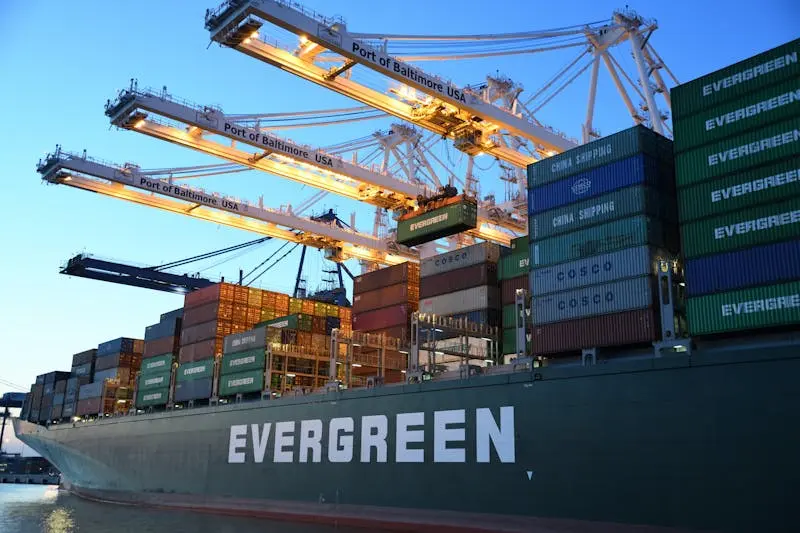
Traditional port inspection methods are operationally disruptive. Scaffolding requires berth closures of days or weeks. Rope access teams work slowly across massive quay wall surfaces. Commercial divers face hazardous conditions in busy port waters. Our drone-based approach eliminates these issues by deploying aerial drones above the waterline and ROVs below it, completing comprehensive surveys in a fraction of the time with zero working-at-height risk.
Singapore's upcoming Tuas Mega Port — designed to consolidate all container operations by the 2040s — makes infrastructure condition monitoring at existing terminals even more critical. Asset owners need accurate condition data to plan maintenance investments during the transition period, ensuring existing terminals remain safe and operational until Tuas Mega Port is fully commissioned.
What We Inspect at Port Facilities
Quay Walls
Concrete and sheet pile quay walls from cope level to seabed. We inspect for concrete deterioration, spalling, cracking, joint movement, sheet pile corrosion, tie-rod anchor failures, and drainage system blockage — above and below the waterline.
Fender Systems
Rubber fenders, fender panels, fender piles, and mounting hardware. We assess fender compression damage, rubber deterioration, panel cracking, chain and bolt condition, and alignment — ensuring vessels berth safely against the quay.
Bollards and Mooring
Cast steel and fabricated bollards, quick-release hooks, and mooring dolphins. We check foundation concrete condition, bolt tightness indicators, steel corrosion, and any structural damage from mooring loads or vessel impact.
Underwater Foundations
Subsea inspection of quay wall toe protection, armour stone, scour conditions, pile foundations, and seabed levels. These submerged elements are invisible from the surface but critical to structural stability.
Port Inspection Process
Stakeholder Coordination
We coordinate with the port operator (PSA, Jurong Port, or facility owner), MPA, and CAAS to obtain all necessary permits and access approvals. Inspection windows are scheduled around vessel berthing plans to minimise operational impact.
Safety and Access Planning
Port environments require strict safety protocols. We prepare method statements, risk assessments, and toolbox talk briefings. Our teams hold valid port passes, safety inductions, and Personal Protective Equipment for port operations areas.
Aerial Drone Survey
The aerial drone captures the quay wall face, cope beam, fender systems, bollards, crane rail beams, and berth surface condition. For industrial port facilities, we also survey storage structures, conveyor systems, and loading equipment foundations.
Underwater ROV Survey
The ROV inspects below-water quay wall surfaces, toe protection, armour stone, pile foundations, seabed levels, and any submerged mooring or fender hardware. Sonar mapping provides seabed profiles to assess scour and sediment changes.
Integrated Condition Report
A comprehensive port infrastructure condition report is delivered within 14-21 working days. Reports integrate above and below water findings into element-by-element condition ratings, defect inventories, and prioritised maintenance programmes aligned with the port operator's asset management framework.
Port Infrastructure Inspection Pricing
Port inspection pricing reflects the operational complexity and coordination required for port facility work. All quotes are fixed-price.
| Scope | Coverage | Price Range (SGD) |
|---|---|---|
| Single Berth Assessment | Quay wall, fenders, bollards (1 berth) | $10,000 — $18,000 |
| Multi-Berth Survey | 3-5 berths, above + below water | $20,000 — $35,000 |
| Terminal-Wide Assessment | Full terminal infrastructure | $30,000 — $50,000 |
| Marina / Small Port | Berthing pontoons, seawalls, breakwater | $10,000 — $20,000 |
| Post-Incident Assessment | Vessel impact or storm damage | $8,000 — $15,000 |
Prices include: CAAS and MPA permits, port coordination, aerial drone and ROV surveys, data processing, and comprehensive condition report. Port-specific safety inductions and access passes are included.
Singapore Port Facilities We Serve
- PSA Pasir Panjang Terminal — Singapore's largest container terminal complex with berths PP1 through PP9. Concrete gravity quay walls and high-capacity fender systems serving the world's largest container ships.
- PSA Tanjong Pagar Terminal — legacy terminal with ageing infrastructure dating to the 1970s. Structural condition monitoring is critical as the terminal approaches end of operational life before redevelopment.
- Jurong Port — multi-cargo terminal handling bulk, break-bulk, and general cargo. Open wharf structures, general purpose berths, and liquid cargo jetties each present different inspection requirements.
- Marina South and Marina Bay — cruise terminal infrastructure, ferry terminals, and waterfront structures in Singapore's premier maritime district.
- Jurong Island Jetties — petrochemical loading and unloading jetties serving refineries and chemical plants. Fire safety considerations and hazardous area classifications add complexity to these inspections.
- Sentosa and Southern Islands — ferry jetties, marina berths, and coastal protection structures across Singapore's southern islands.
Frequently Asked Questions
Get a Free Port Inspection Quote
Tell us your facility, berth numbers, and inspection scope — we reply with a fixed-price quote within 48 hours.