Jetty Inspection by Drone in Singapore
Jetty inspection drone technology has transformed how Singapore assesses its marine structures. Jetties, wharves, and piers present a unique inspection challenge — they span the waterline, with critical structural elements both above and below the surface. Traditional inspection required separate teams: scaffolding or rope access crews above water, and commercial divers below. This was expensive, slow, and operationally disruptive.
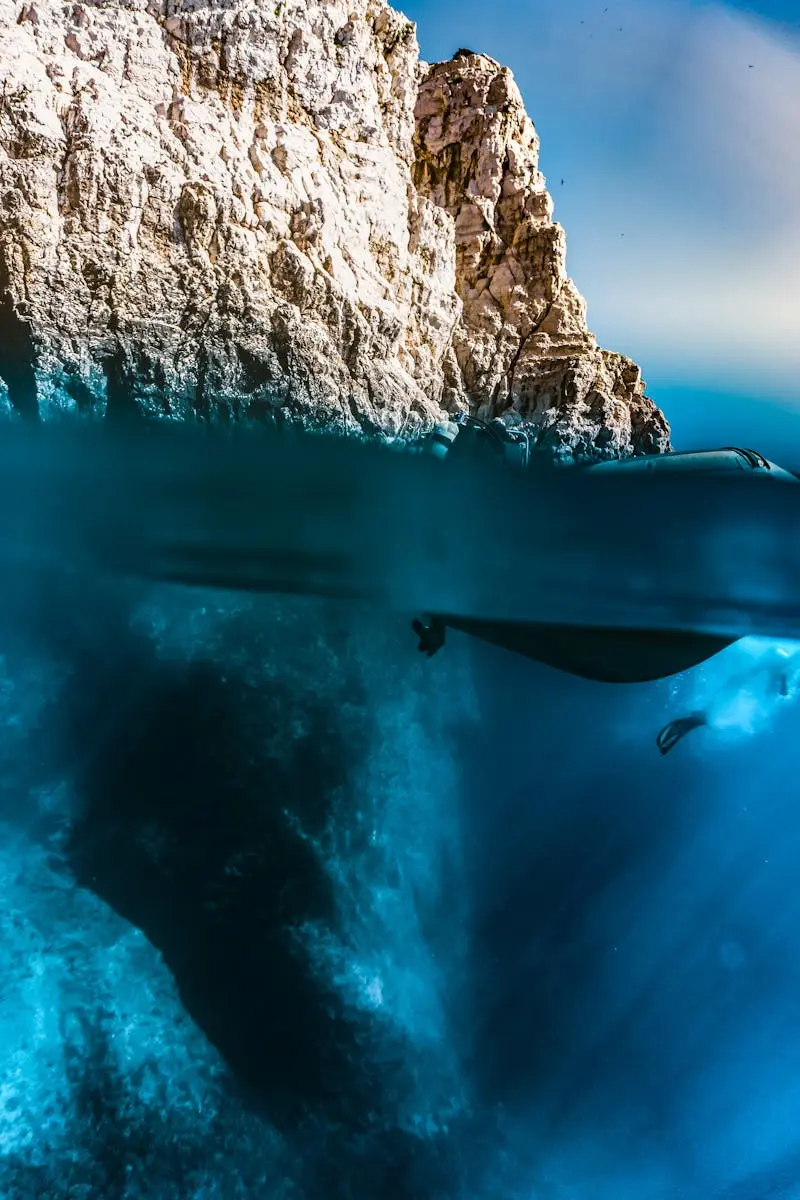
Our combined drone approach solves this by deploying two technologies simultaneously. An aerial drone inspects the above-water structure — deck soffit, beams, headstocks, fender systems, bollards, and the splash zone. An underwater ROV inspects the submerged elements — piles from the mudline to the waterline, cross-bracing, seabed condition, and scour patterns. Together, they produce a complete structural assessment in a single mobilisation, typically completed in one day.
Singapore has hundreds of jetty structures across its port terminals, marina facilities, naval installations, and offshore islands. From the massive container berths at PSA's Pasir Panjang terminal to small recreational jetties at Changi Point and Sentosa, every structure requires periodic assessment to ensure structural integrity and safety. Our jetty inspection drone service covers all of them.
What We Inspect — Above and Below Water
A complete jetty inspection covers every structural element from the seabed foundation to the deck surface. Our combined aerial and underwater survey addresses both zones in a single project.
Above-Water Structure
Aerial drone inspection of deck soffit, beams, headstocks, cross-heads, expansion joints, drainage systems, fender panels, fender piles, rubber fenders, bollards, mooring hooks, crane rails, and edge protection. The drone accesses areas beneath the deck that are difficult and dangerous to reach by conventional means.
Splash Zone
The splash zone — where waves and tidal action meet the structure — experiences the most aggressive deterioration. Both the aerial drone and ROV overlap their coverage in this critical zone to ensure complete documentation of corrosion, coating failure, concrete spalling, and marine growth transition.
Submerged Piles
ROV inspection of every pile from the waterline to the mudline. We document steel corrosion and section loss, concrete cracking and reinforcement exposure, marine growth type and coverage, cathodic protection anode condition, and pile alignment or deformation.
Seabed and Scour
Sonar survey of the seabed around pile foundations to measure scour depth and extent. Scour undermines pile bearing capacity and is a leading cause of jetty structural distress. We compare scour measurements against design parameters and previous survey data.
Jetty Inspection Process
Pre-Inspection Planning
We review structural drawings, previous inspection reports, and maintenance records. The inspection plan defines coverage areas, access points, tidal windows, and safety requirements. CAAS permits for aerial drone operations and MPA coordination for underwater work are secured in advance.
Aerial Drone Survey
The aerial drone captures the entire above-water structure — deck surfaces, beam soffits, headstocks, fender systems, and splash zone elements. High-resolution images are geo-tagged and mapped to the structural grid for precise defect location referencing.
Underwater ROV Survey
The ROV systematically inspects each pile from the waterline down to the mudline, then surveys cross-bracing and the seabed. HD video is recorded continuously. Measurements (corrosion depth, scour depth, marine growth thickness) are taken at specified locations on each pile.
Combined Data Integration
Above-water and below-water data are integrated into a single structural assessment. Each pile and structural element receives a condition rating based on the combined findings from both surveys. This provides the complete picture that engineers need for maintenance planning.
Structural Inspection Report
A comprehensive report is delivered within 10-14 working days, covering element-by-element condition ratings, annotated imagery, defect inventories, scour measurements, and prioritised maintenance recommendations with estimated repair costs.
Jetty Inspection Pricing in Singapore
Pricing is based on jetty size, number of piles, and inspection scope. Combined above+below water surveys offer better value than separate commissions.
| Jetty Type | Scope | Price Range (SGD) |
|---|---|---|
| Small Marina Jetty | 10-20 piles, above+below | $5,000 — $8,000 |
| Medium Jetty / Pier | 20-50 piles, above+below | $8,000 — $14,000 |
| Large Commercial Wharf | 50-100 piles, above+below | $12,000 — $18,000 |
| Port Terminal Berth | 100+ piles, full structure | $15,000 — $20,000 |
| Above-Water Only | Aerial drone only | $3,000 — $8,000 |
| Below-Water Only | ROV piles only | $5,000 — $15,000 |
Prices include: CAAS and MPA permits, aerial drone and ROV mobilisation, both surveys, data processing, and integrated structural inspection report.
Singapore Jetty Locations We Serve
We inspect jetties, wharves, and piers across Singapore, including all major port areas and recreational waterfront facilities.
- PSA Terminals — Pasir Panjang, Tanjong Pagar, Keppel, and Brani container berths and port infrastructure.
- Jurong Port — bulk cargo wharves, general cargo berths, and Jurong Island industrial jetties serving petrochemical and energy facilities.
- Marina and Yacht Facilities — ONE15 Marina Sentosa Cove, Republic of Singapore Yacht Club, Raffles Marina, and Marina at Keppel Bay.
- Offshore Islands — jetties at Pulau Ubin, St John's Island, Kusu Island, Lazarus Island, and Sisters' Islands.
- Commercial Waterfront — Marina South, Marina Bay, Collyer Quay, and Clifford Pier area structures.
- Military and Government — naval base jetties, coastguard facilities, and government pier structures (subject to security clearance).
Frequently Asked Questions
Get a Free Jetty Inspection Quote
Tell us your jetty location, size, and scope — we reply with a fixed-price quote within 24 hours.