How Often Must Buildings Be Inspected in Singapore? (2026 Requirements)
Published 15 April 2026 · SG Drone Inspections
Building Inspection Frequency in Singapore
Singapore has a comprehensive building inspection regime administered by BCA to ensure public safety. The frequency of inspections depends on building age, type, and the specific inspection requirement. This guide summarises all mandatory and recommended inspection schedules for buildings in Singapore.
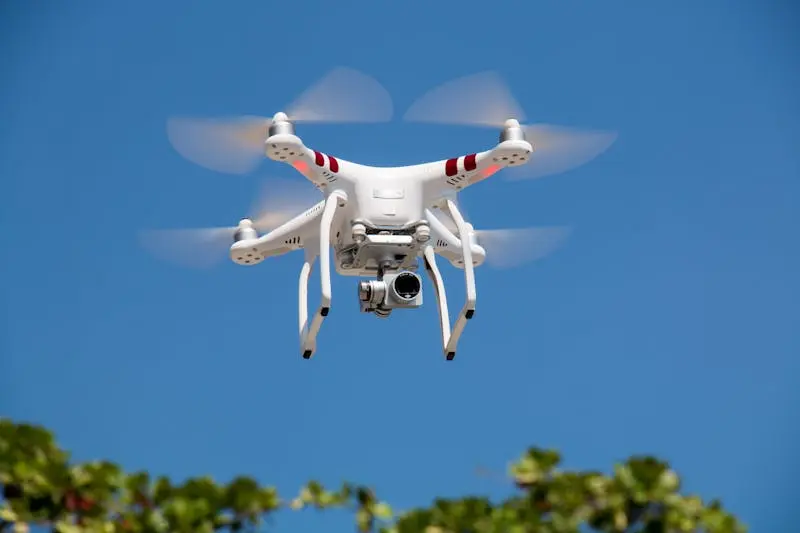
Understanding these requirements helps building owners, MCSTs, and facility managers plan budgets and avoid non-compliance penalties.
Mandatory Inspection Schedule
| Inspection Type | Trigger | Frequency | Responsible Party |
|---|---|---|---|
| Periodic Facade Inspection | 20 years from TOP | Every 5 years | Owner / MCST |
| Periodic Structural Inspection | As notified by BCA | As determined | Owner |
| Building Maintenance | Ongoing | As required | Owner / MCST |
| Fire Safety Inspection | Occupancy | Annual | Owner / FM |
Periodic Facade Inspection Timeline
Year 20 — First PFI
Building reaches 20 years from TOP. First periodic facade inspection conducted and reported to BCA.
Year 25 — Second PFI
Second inspection cycle. Compare findings with first PFI to track defect progression.
Year 30 — Third PFI
Building is 30 years old. Increased defect rates are typical. Remediation scope often larger.
Every 5 Years After
Inspections continue every 5 years for the building's service life. Early buildings in Singapore are now on their 4th or 5th cycle.
Recommended Additional Inspections
Annual Walkthrough
Building managers should conduct annual visual walkthroughs noting any visible facade changes between mandatory inspection cycles.
Post-Event Assessment
After severe weather, nearby construction, or any event that could affect the facade, conduct a targeted drone inspection of affected areas.
Pre-Sale Due Diligence
Before selling commercial property, a current facade condition report provides transparency and supports pricing.
Insurance Renewal
Annual or biennial condition documentation supports insurance renewal and demonstrates proactive maintenance.
Cost of Regular Inspection
Proactive inspection programmes using drone technology are cost-effective compared to reactive repair.
- Mandatory PFI (every 5 years) — $1,500-$15,000 per cycle depending on building size.
- Annual drone survey — $800-$3,000 for quick condition monitoring between PFI cycles.
- Post-event assessment — $500-$2,000 for targeted area inspection.
- Comprehensive baseline — $2,000-$8,000 for first-time complete building condition survey.
Frequently Asked Questions
Singapore Context — Why This Matters
Singapore's built environment presents unique challenges for building inspection. With over 14,000 buildings subject to periodic facade inspection requirements, the scale of compliance activity is significant. The tropical climate — UV index consistently above 10, humidity averaging 80 percent, heavy monsoon rainfall, and constant thermal cycling from air conditioning — accelerates facade deterioration faster than in temperate climates.
The combination of ageing building stock and aggressive environmental conditions means facade defects develop faster and can progress to safety-critical levels more quickly than building owners expect. Tiles that might last 30 years in a temperate European climate may begin delaminating within 15-20 years in Singapore. Sealants rated for 20-year service life may fail in 10-12 years under constant UV bombardment.
This is why Singapore's regulatory framework mandates periodic inspections and why the quality of those inspections matters. A thorough drone inspection that identifies early-stage delamination allows preventive maintenance at a fraction of the cost of emergency repairs after tiles have fallen. Thermal imaging that detects moisture infiltration behind cladding prevents the progressive structural damage that unchecked water ingress causes over years.
For building owners and MCSTs, investing in quality inspection data from CAAS-licensed drone operators is not just about regulatory compliance — it is about protecting asset value, ensuring occupant safety, and managing long-term maintenance costs effectively. The buildings that are well-maintained and well-documented command higher market values and lower insurance premiums than those with incomplete inspection histories.
Getting Started — Next Steps
Whether you are preparing for your first periodic facade inspection or looking to switch from traditional methods to drone technology, the process begins with a simple conversation.
- Contact Us — WhatsApp 8989 6835 or email [email protected] with your building address and inspection needs.
- Receive a Fixed Quote — we reply within 2 hours with a transparent, all-inclusive price covering permits, inspection, and reporting.
- We Handle Everything — from CAAS permits to PE coordination, we manage the entire process. You receive a BCA-ready report within 3-5 working days.
- Plan Ahead — CAAS permits take 2-4 weeks. Contact us at least 6 weeks before your BCA deadline for smooth compliance.
Get a Free Drone Inspection Quote
Tell us about your building or asset. We reply with a fixed-price quote within 2 hours. No obligation.