BMU vs Drone Inspection Singapore — Building Maintenance Unit Alternatives
Published 15 April 2026 · SG Drone Inspections
BMU vs Drone Inspection Singapore
This comparison examines the practical differences between methods for building owners and facility managers in Singapore. Understanding these differences helps you choose the most effective approach for your specific inspection needs.
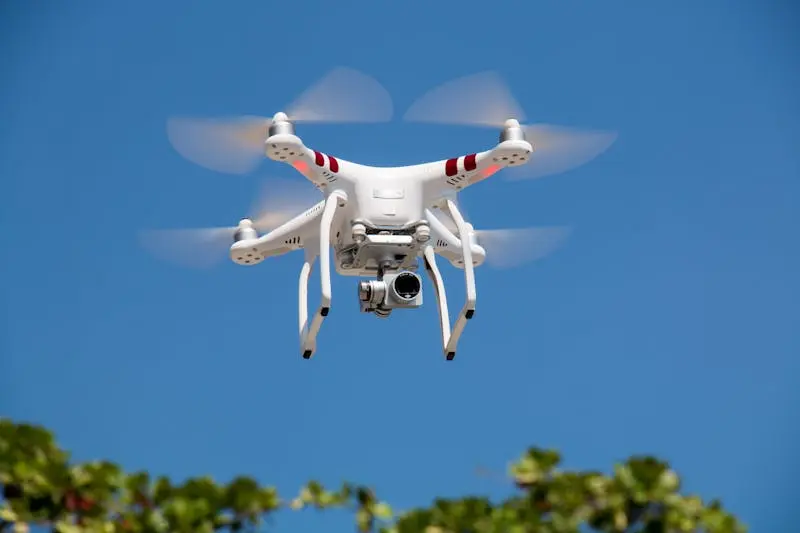
Cost, speed, safety, data quality, and practical impact on building operations all factor into the decision.
Side-by-Side Comparison
| Factor | Drone Inspection | Traditional Method |
|---|---|---|
| Cost | 30-60% lower | Higher — labour, equipment, safety |
| Duration | 1-2 days on-site | 1-4 weeks on-site |
| Safety Risk | None — ground-based | Moderate to high |
| Data Quality | 5mm/pixel + thermal | Visual assessment only |
| Building Disruption | Minimal | Moderate to significant |
| Weather Sensitivity | Moderate (wind >35km/h) | Variable by method |
| Report Quality | Comprehensive digital | Often limited |
Cost Analysis by Building Size
| Building Size | Drone | Traditional | Savings |
|---|---|---|---|
| Low-rise (5-10 storeys) | $1,500-$3,000 | $4,000-$10,000 | 50-70% |
| Mid-rise (10-20 storeys) | $3,000-$6,000 | $8,000-$20,000 | 60-70% |
| High-rise (20-40 storeys) | $5,000-$10,000 | $15,000-$40,000 | 60-75% |
| Super high-rise (40+) | $8,000-$15,000 | $25,000-$60,000+ | 60-75% |
When to Choose Each
Choose Drone
For most inspections. Superior cost, speed, safety, and data quality. Thermal imaging included as standard.
Choose Traditional
When physical contact testing is specifically required — tile sounding, adhesion pull-off, or immediate repair access.
Combine Both
Use drones for comprehensive survey, then target traditional access only to areas requiring physical investigation.
Our Recommendation
Start with drone inspection. Use findings to determine if any targeted traditional access is needed for specific areas.
Practical Advantages of Drone Inspection
- No Scaffold Permits — no temporary structure applications or council approvals needed.
- No Safety Cordons — building surroundings remain accessible throughout the inspection.
- No Worker Accommodation — no rest facilities, safety equipment, or supervision for workers at height.
- Resident Friendly — no workers outside windows, no noise from scaffolding construction, no blocked views.
- Complete Digital Record — every image georeferenced for precise defect location and future comparison.
Frequently Asked Questions
Real-World Performance in Singapore Conditions
Singapore's tropical climate and dense urban environment create specific challenges for building inspections regardless of method. Understanding how each approach performs under real-world conditions helps you make a practical decision.
Weather Sensitivity. Drone inspections require wind speeds below 35 km/h and no heavy rain. In Singapore, this means most days are suitable — the northeast monsoon (November to January) brings more rain days, but morning windows are usually available. Rope access is similarly affected by wind and rain, with the added complication that wet surfaces increase slip hazards for workers at height.
Building Access. Drones access facades from the air, requiring only a small ground area for the pilot station. No scaffolding setup, no gondola track maintenance, no rope anchor points needed. For buildings with limited ground access — surrounded by roads, adjacent buildings, or restricted areas — drones are often the only practical option for comprehensive facade inspection.
Thermal Conditions. Singapore's consistent tropical heat creates strong thermal contrast at defect locations. Moisture behind facades shows clearly as cool zones against the hot building surface. Delaminated tiles trap air pockets that heat differently from bonded tiles. These thermal signatures are a major advantage of drone inspection that traditional methods cannot replicate.
Urban Density. In Singapore's CBD, residential estates, and industrial zones, buildings are closely spaced. Scaffolding obstructs narrow walkways. Gondolas require clear facades without obstructions. Rope access needs anchor points that may not exist on modern curtain wall buildings. Drones navigate between buildings with metre-precise control, capturing data even in tight urban environments.
Case Scenarios for Singapore Buildings
HDB Block (25 years old, 12 storeys)
Drone inspection: $2,000-$3,000, completed in 1 day. Rope access: $6,000-$10,000, completed in 4-5 days. Recommendation: drone — clear cost and time advantage with better data.
Condominium (30 years old, 25 storeys)
Drone inspection: $4,000-$6,000, completed in 1-2 days. Rope access: $12,000-$22,000, completed in 7-10 days. Recommendation: drone — significant MCST budget savings.
Office Tower (20 years old, 40 storeys)
Drone inspection: $8,000-$12,000, completed in 2 days. Rope access: $25,000-$45,000, completed in 2-3 weeks. Recommendation: drone — massive cost saving and minimal disruption.
Industrial Building (Tuas, 5 storeys)
Drone inspection: $1,500-$2,500, completed in 1 day. Rope access: $4,000-$7,000, completed in 2-3 days. Recommendation: drone — especially with thermal data for insulation assessment.
Making the Right Choice for Your Building
The decision between inspection methods ultimately comes down to what you need from the inspection and what constraints you face.
If your primary need is BCA PFI compliance, drone inspection delivers everything required at the lowest cost and fastest turnaround. TR 78 methodology ensures BCA acceptance. Thermal imaging provides additional value beyond the regulatory minimum. And the digital documentation creates a comprehensive baseline for future comparison.
If you specifically need physical contact testing — sounding tiles for hollowness, pull-off adhesion measurement, or core sampling for concrete strength — traditional access methods are required for those specific tests. However, the most cost-effective approach is to conduct a drone survey first, identify all defects and areas of concern, then deploy targeted rope access only to the specific locations requiring hands-on testing. This typically reduces rope access scope by 70-80 percent compared to a full rope access survey.
If your building has unusual access constraints — BMU equipment that is out of service, facade features that block rope access, or ground conditions that prevent scaffolding — drone inspection may be the only practical option for comprehensive facade coverage. We assess these constraints during the quotation process and advise on the optimal approach.
Get a Free Drone Inspection Quote
Tell us about your building or asset. We reply with a fixed-price quote within 2 hours. No obligation.