Drone, Rope Access, Gondola or Scaffolding? Facade Inspection Access Methods Compared
Updated 13 October 2026 · SG Drone Inspections
Inspecting a facade means getting eyes, cameras or hands close to walls that may be dozens of storeys high. Several access methods are used in Singapore, each with different strengths. None is best for every building, and many inspections combine two or more. This guide compares them so building owners and MCSTs can understand the trade-offs their Competent Person is weighing.
The Main Access Methods
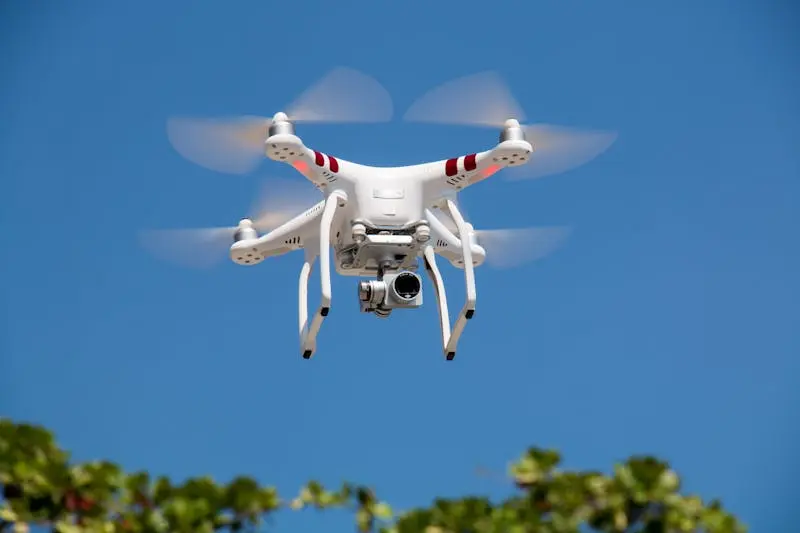
- Drone (UAS) — a camera, and often a thermal camera, flown close to the facade to capture images of every part of each elevation.
- Rope access — trained technicians descend the facade on ropes, able to see, touch and tap-test the wall directly.
- Gondola or Building Maintenance Unit (BMU) — a suspended platform, either temporary or permanently installed on the roof, that moves inspectors down the facade.
- Scaffolding — a temporary structure erected against the facade, giving continuous access at every level.
- Boom lift or MEWP — a mobile elevating work platform that lifts an inspector to the wall, limited by its reach.
- Ground-based — binoculars or long-lens photography from the ground or neighbouring buildings.
Side-by-Side Comparison
| Factor | Drone | Rope access | Gondola / BMU | Scaffolding |
|---|---|---|---|---|
| Whole-facade visual coverage | High | High, drop by drop | High where the unit can travel | High |
| Hands-on checks (tapping, probing) | Not possible | Yes | Yes | Yes |
| Thermal imaging | Commonly included | Possible, hand-held | Possible, hand-held | Possible, hand-held |
| Set-up | Permits and flight planning; little on-site set-up | Anchor points must be available and certified | Needs a working BMU or a gondola installation | Erection and dismantling take time |
| Disruption to occupants | Low; brief, with privacy controls | Moderate; workers outside windows | Moderate | High; blocked windows and access for weeks |
| Weather limits | Wind and rain | Wind and rain | Wind and rain | Few once erected |
| Key regulations | CAAS permits; BCA requirements for UAS in PFI | Workplace Safety and Health (Work at Heights) rules | Work at Heights rules; equipment certification | Scaffold design and inspection rules |
| Repairs at the same time | No | Yes, for small repairs | Yes | Yes, including major works |
Where Each Method Works Best
Drone
Fast, complete visual and thermal record of every elevation, including areas that are hard to reach. Useful for the Stage 1 visual survey of a PFI and for showing where close-up checks should be concentrated. Limited near airports, in restricted airspace and in tight spaces between buildings.
Rope access
Flexible hands-on access to most facades without heavy equipment. Suits tap testing, close-up checks and small repairs. Depends on safe, certified anchor points on the roof.
Gondola or BMU
Convenient where a building already has a working BMU. Provides a stable platform for inspectors and tools. Coverage is limited to where the unit can travel.
Scaffolding
Usually justified only when major repair works will follow, because it gives continuous access for both inspection and remediation. Costly and disruptive for inspection alone.
Why Many Inspections Combine Methods
A PFI involves a visual inspection of the whole facade and a close-up inspection, including hands-on checks, of part of each face. No single method is ideal for both. A common approach is to use a drone for the complete visual and thermal survey, then send rope access or a gondola to the specific areas where the images show possible problems, and to the sample areas the Competent Person selects for tap testing.
This targets physical access where it adds most value and keeps a complete image record of the facade for comparison at the next inspection.
Questions That Decide the Method
- Is the building near an airport, in restricted airspace or very close to neighbouring buildings?
- Does it have a working BMU or certified roof anchor points?
- How much hands-on testing does the Competent Person need, and where?
- Are repairs likely to follow immediately, which might justify scaffolding?
- What disruption can occupants and businesses accept, and for how long?
Frequently Asked Questions
Sources and Further Reading
- BCA: Improving facade safety through the PFI regime
- Ministry of Manpower: Workplace safety and health
- CAAS: Unmanned aircraft
This article is general information, not legal or engineering advice. Regulations change; check the current requirements with BCA or a Competent Person before acting.